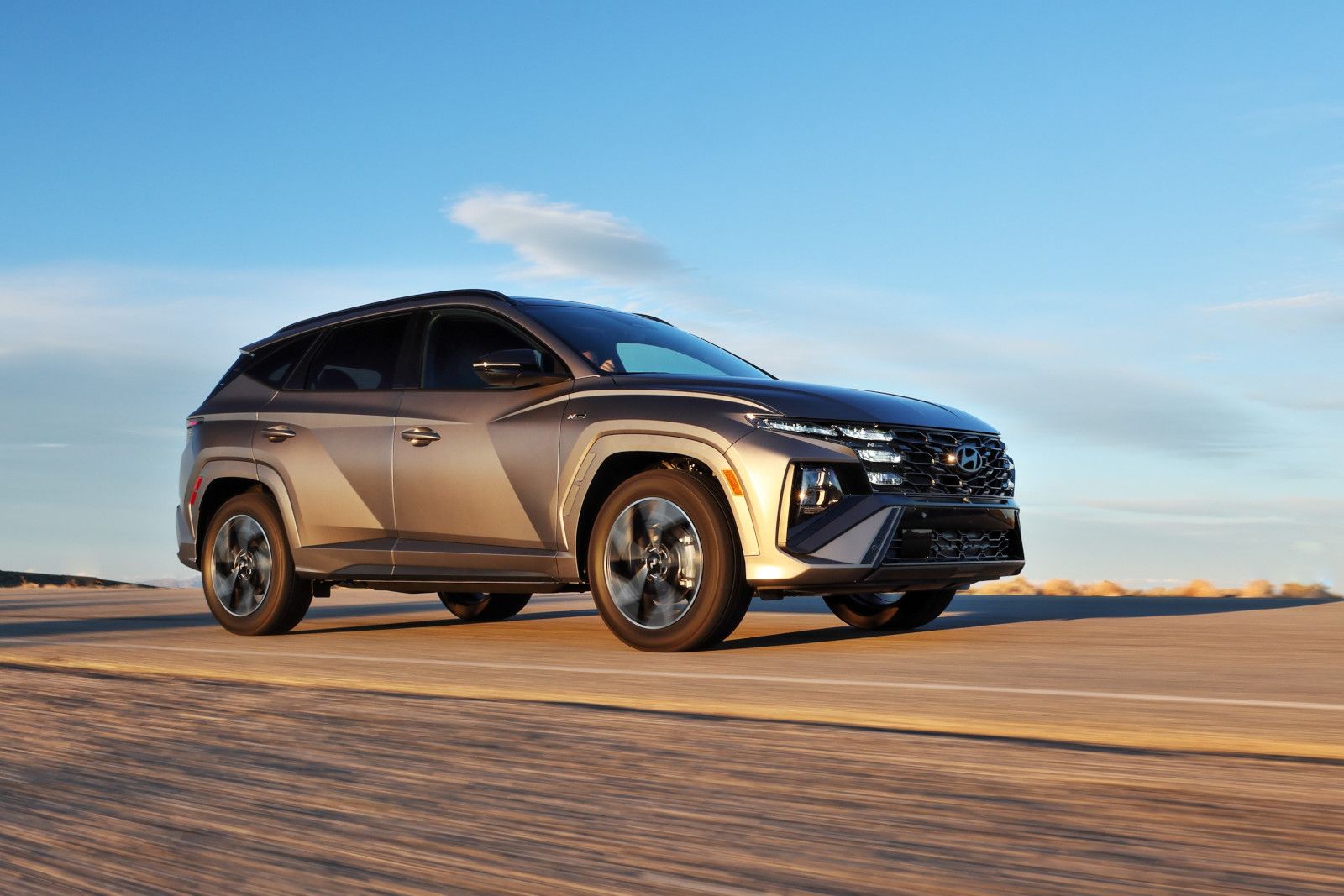
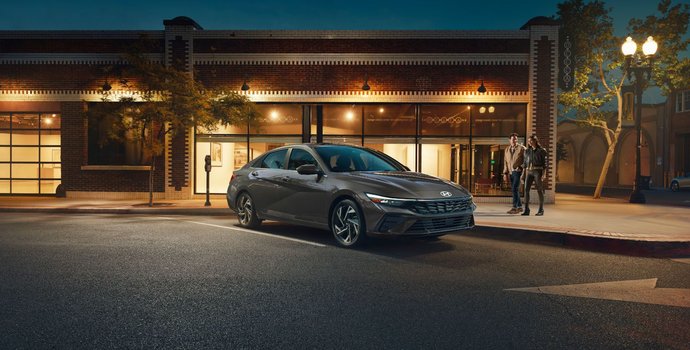
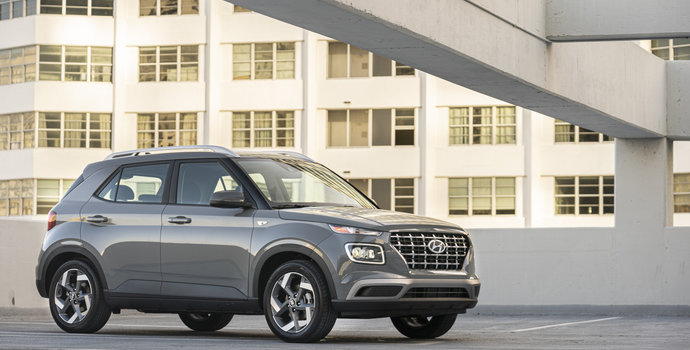
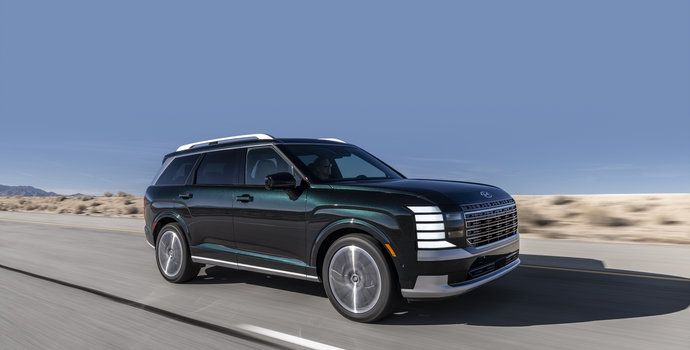
Two Hyundai SUVs, two very different approaches to the same idea. The 2026 Kona and the 2026 Tucson are both practical, well-equipped crossovers with strong safety suites and available All-Wheel Drive, but they serve genuinely different buyers. If you are trying to decide between the two, the comparison comes down to your priorities around size, power, capability, and how you use a vehicle on a daily basis in Ontario.
The Kona is a subcompact SUV designed for urban agility and fuel efficiency. It is lighter, narrower, and easier to park, with two engine options and a starting configuration that works well for single drivers and small families. The Tucson is a compact SUV with a longer body, more passenger space, higher cargo capacity, and more powertrain variety, including a standard-AWD lineup with a hybrid option on upper trims. Both vehicles share Hyundai's connected technology and driver assistance features, but the Tucson delivers more interior space and stronger towing capability.
Explore New Hyundai SUV Inventory
Find the Hyundai SUV that fits your family’s routine at Woodstock Hyundai. From city-friendly versatility to added space, capability, and advanced safety technology, our SUV lineup gives you practical options for daily drives, weekend plans, and everything in between.
Shop Hyundai SUV Inventory >
At a Glance: 2026 Kona vs. 2026 Tucson
|
Category
|
2026 Kona (Preferred Trend)
|
2026 Tucson (Preferred)
|
|
Body Class
|
Subcompact SUV
|
Compact SUV
|
|
Engine (Base)
|
2.0L I4, 147 hp / 132 lb-ft
|
2.5L I4, 187 hp / 178 lb-ft
|
|
Top Engine Option
|
1.6T I4, 190 hp / 195 lb-ft
|
1.6T Hybrid, 231 hp combined
|
|
AWD Availability
|
Standard on Preferred Trend; optional on Preferred
|
Standard on all trims
|
|
Cargo (Seats Down)
|
1,803 L
|
2,119 L
|
|
Cargo (Seats Up)
|
723 L
|
1,095 L
|
|
Wheelbase
|
2,660 mm
|
2,755 mm
|
|
Overall Length
|
4,350 mm
|
4,640 mm
|
|
Towing (with trailer brakes, 2.5L)
|
Not rated
|
3,500 lbs (1,588 kg)
|
|
Fuel Economy (Base, Combined)
|
7.5–8.6 L/100 km (2.0L)
|
8.8 L/100 km (2.5L AWD)
|
|
Seating
|
5 passengers
|
5 passengers
|
Engine and Performance
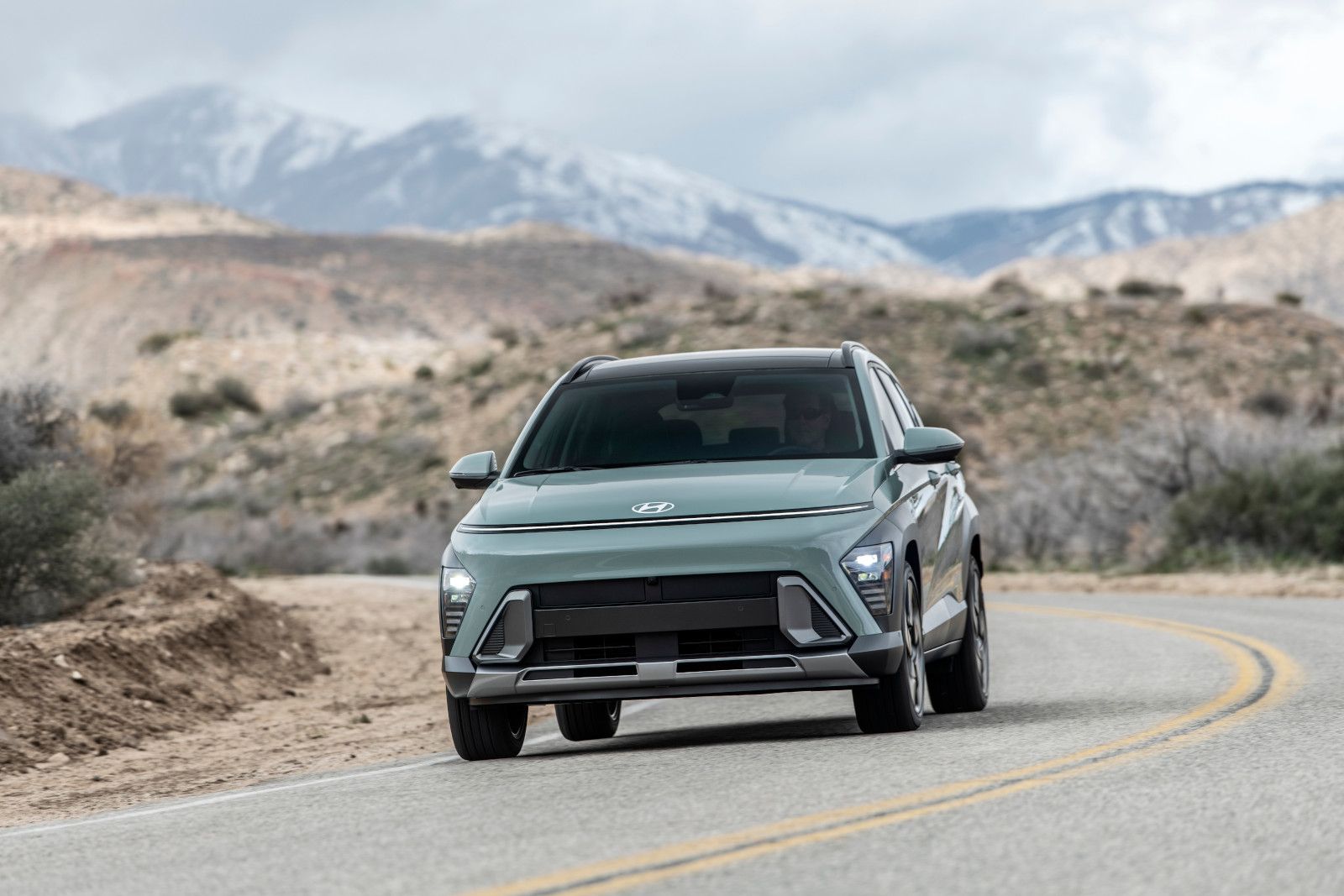
The Kona comes with two engine choices. The base 2.0L four-cylinder produces 147 hp and 132 lb-ft of torque, paired with an Intelligent Variable Transmission (IVT). It is FWD standard, with AWD available as an option on the Essential and Preferred trims. The upper trims step up to a 1.6L turbocharged engine producing 190 hp and 195 lb-ft of torque with an 8-speed automatic and standard AWD.
The Tucson offers more power across the board. The base 2.5L four-cylinder produces 187 hp and 178 lb-ft of torque through an 8-speed automatic, and every Tucson comes with HTRAC AWD as standard. Upper Tucson trims move to a 1.6L turbocharged hybrid system producing 231 hp combined, with a 6-speed hybrid automatic. For drivers who want more engine and assured AWD without paying extra for it, the Tucson holds a clear advantage.
Tucson powertrain highlights:
- 187 hp on all base trims with standard AWD, no option fees required
- Hybrid and plug-in hybrid options available on upper trims
- Towing capacity of 3,500 lbs (1,588 kg) with trailer brakes on the 2.5L
Size and Cargo Capacity
The gap in physical size between these two vehicles is meaningful. The Tucson is 290 mm longer than the Kona and rides on a 95 mm longer wheelbase. In practical terms, that means more second-row legroom for passengers and a substantially larger cargo area.
With the rear seats folded, the Tucson holds 2,119 L of cargo space versus 1,803 L in the Kona, a difference of 316 L. With the seats up, the Tucson again leads with 1,095 L versus 723 L in the Kona. If you regularly carry hockey bags, lumber, strollers, camping gear, or any other bulky load, the Tucson's cargo advantage is felt on every trip.
The Kona's smaller footprint is genuinely useful for drivers in Woodstock who prioritize parking ease, tight lot manoeuvrability, or highway fuel economy on longer commutes to London or Brantford.
|
Cargo Metric
|
2026 Kona
|
2026 Tucson
|
|
Seats Up
|
723 L
|
1,095 L
|
|
Seats Down
|
1,803 L
|
2,119 L
|
|
Wheelbase
|
2,660 mm
|
2,755 mm
|
|
Overall Length
|
4,350 mm
|
4,640 mm
|
Technology and Features
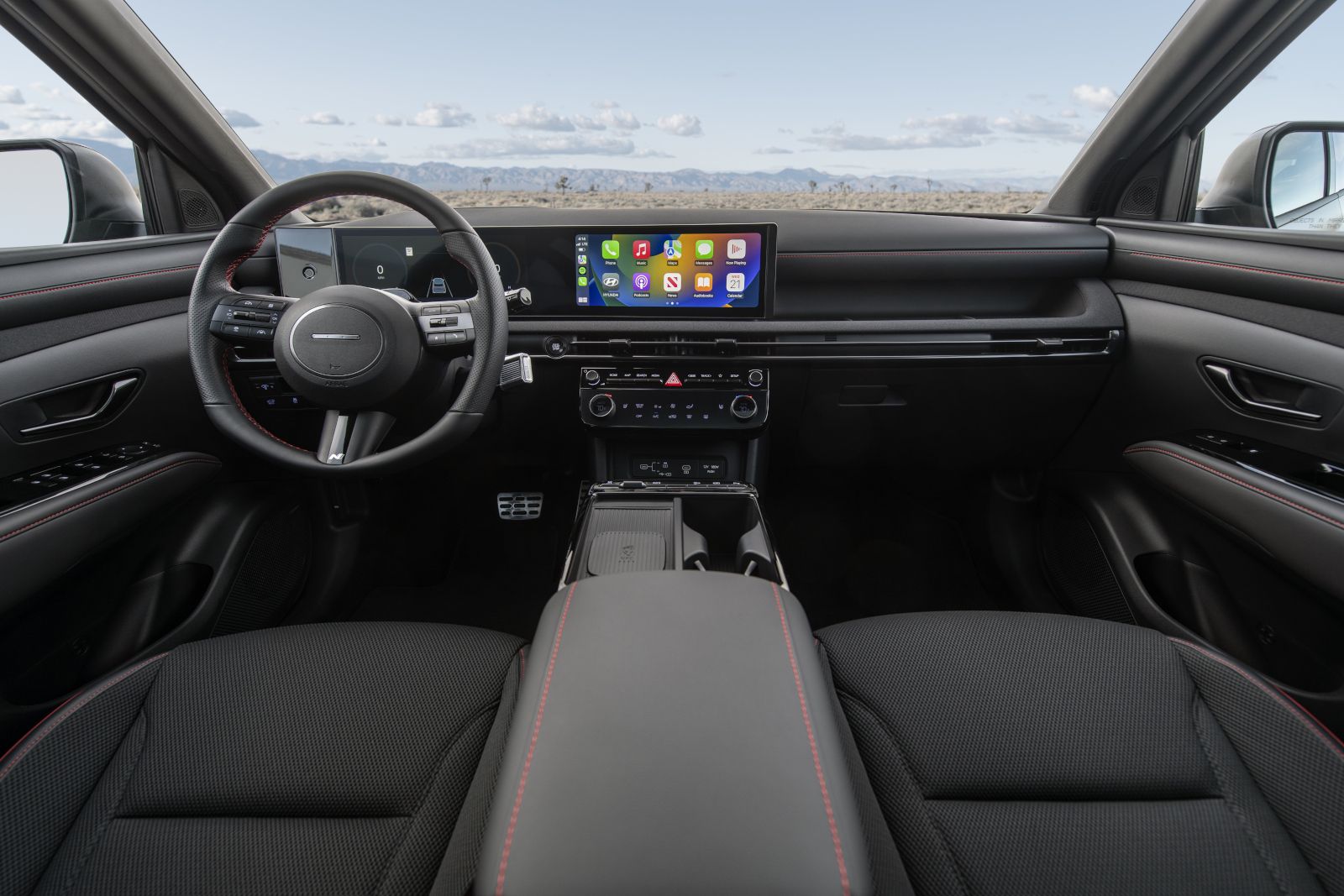
Both vehicles come with Hyundai's connected technology suite including wireless Android Auto and Apple CarPlay, Bluelink Connected Vehicle System, Bluetooth hands-free, and front and rear USB-C charging ports. Both use a 12.3-centimetre infotainment touchscreen on most trims.
The Tucson's Preferred with Trend Package steps up with a 12.3-inch full digital gauge cluster, a wireless charging pad, Hyundai Digital Key 2, a proximity-activated smart power liftgate, and a panoramic sunroof, features that give it a more premium feel at mid-lineup pricing. The Kona Preferred Trend Package also includes wireless charging and Digital Key 2, though the interior is smaller and the cluster display maxes out at a 4.2-inch unit on that trim.
Upper Kona trims offer leatherette seating, while the Tucson offers leatherette on the Preferred with Trend Package and leather on the Ultimate. Tucson's top trim also adds heated rear seats, ventilated front seats, and a Head-Up Display.
Safety Features
Both the Kona and Tucson include Hyundai SmartSense on every trim. Standard features include Forward Collision-Avoidance Assist, Lane Keeping and Lane Following Assist, Blind-Spot Collision Warning, Rear Cross-Traffic Collision-Avoidance Assist, Adaptive Cruise Control with Stop-and-Go, High Beam Assist, Safe Exit Warning, and Rear Occupant Alert.
The Tucson Ultimate adds Highway Driving Assist, Blind View Monitor, Surround View Monitor, Parking Distance Warning, Parking Collision-Avoidance Assist, and Remote Smart Parking Assist. These upper-tier systems are not available on the Kona. For drivers who want the most advanced available safety and parking assistance, the Tucson lineup reaches further.
Which Vehicle Is Right for You?
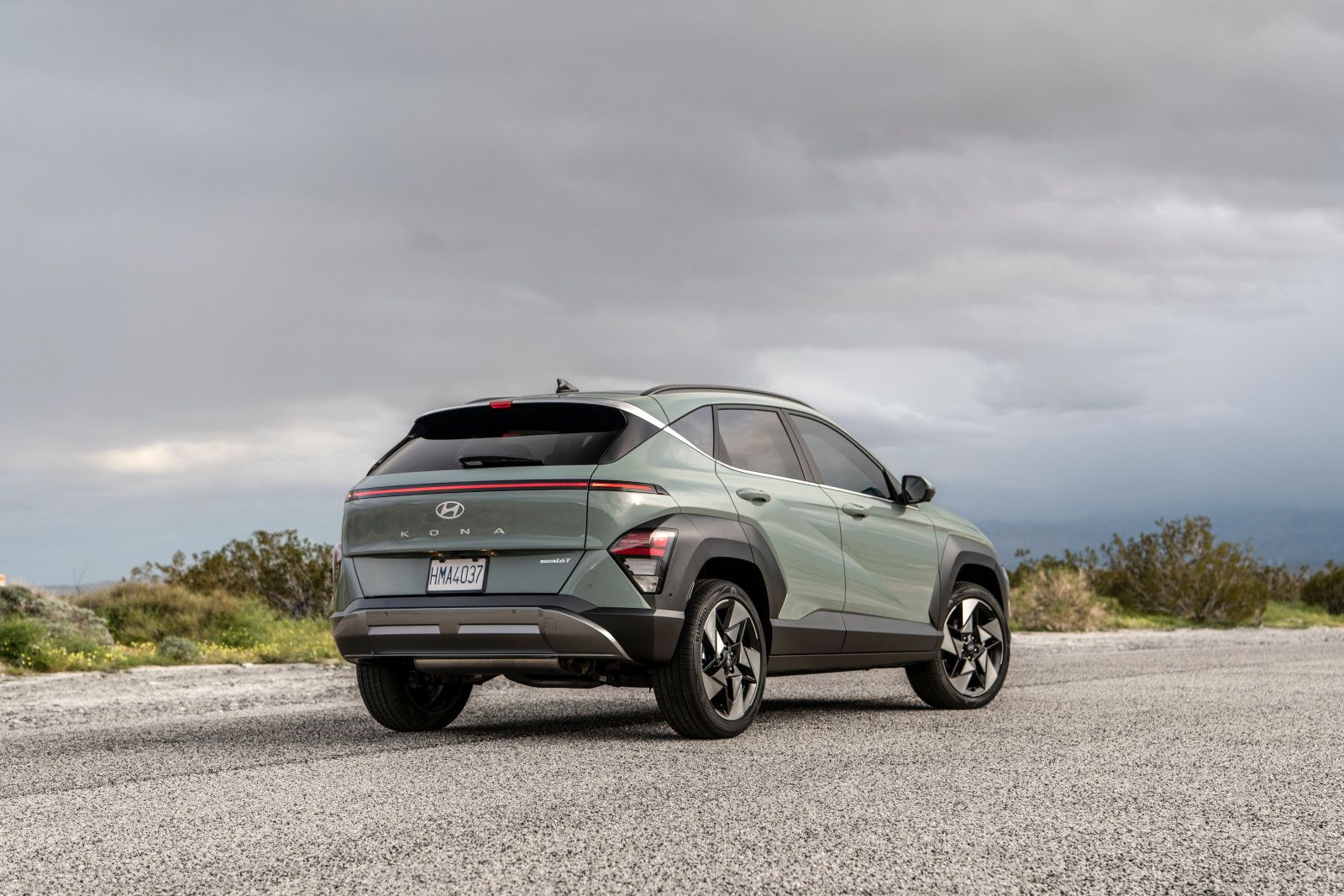
The 2026 Kona is the stronger fit for solo commuters, couples, or small families in Woodstock who want a lighter vehicle, a lower purchase point, and city-friendly dimensions without giving up essential safety and connectivity features.
The 2026 Tucson is the stronger fit for families, haulers, and drivers who want standard AWD on every trim, more cabin and cargo space, a hybrid option, towing capability, and access to a broader range of premium features on upper trims.
If space, power, and capability are what you are optimising for, the Tucson is the better platform. If agility, efficiency, and a smaller footprint are priorities, the Kona gets the job done.
See Both Models at Woodstock Hyundai
The team at Woodstock Hyundai has both the Kona and the Tucson on hand. Stop in to walk through both vehicles side by side, ask about trims that match your needs, and book a drive in whichever one you are leaning towards. Reach out to Woodstock Hyundai to set up your visit.
You might be interested in these blogs: