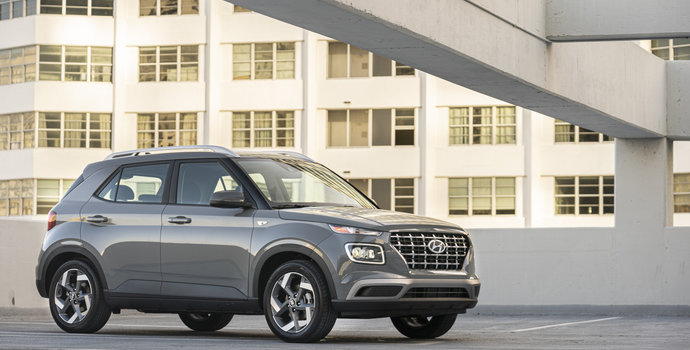
When you’re driving through a mix of Highway 401 traffic, winter slush, and the occasional weekend run to a hockey tournament, choosing the right hybrid SUV matters. Families in Ontario want something that handles messy snow days, is light on fuel, and stays comfortable on long drives. Commuters want quiet rides, reliable traction, and tech that doesn’t feel dated halfway through the lease.
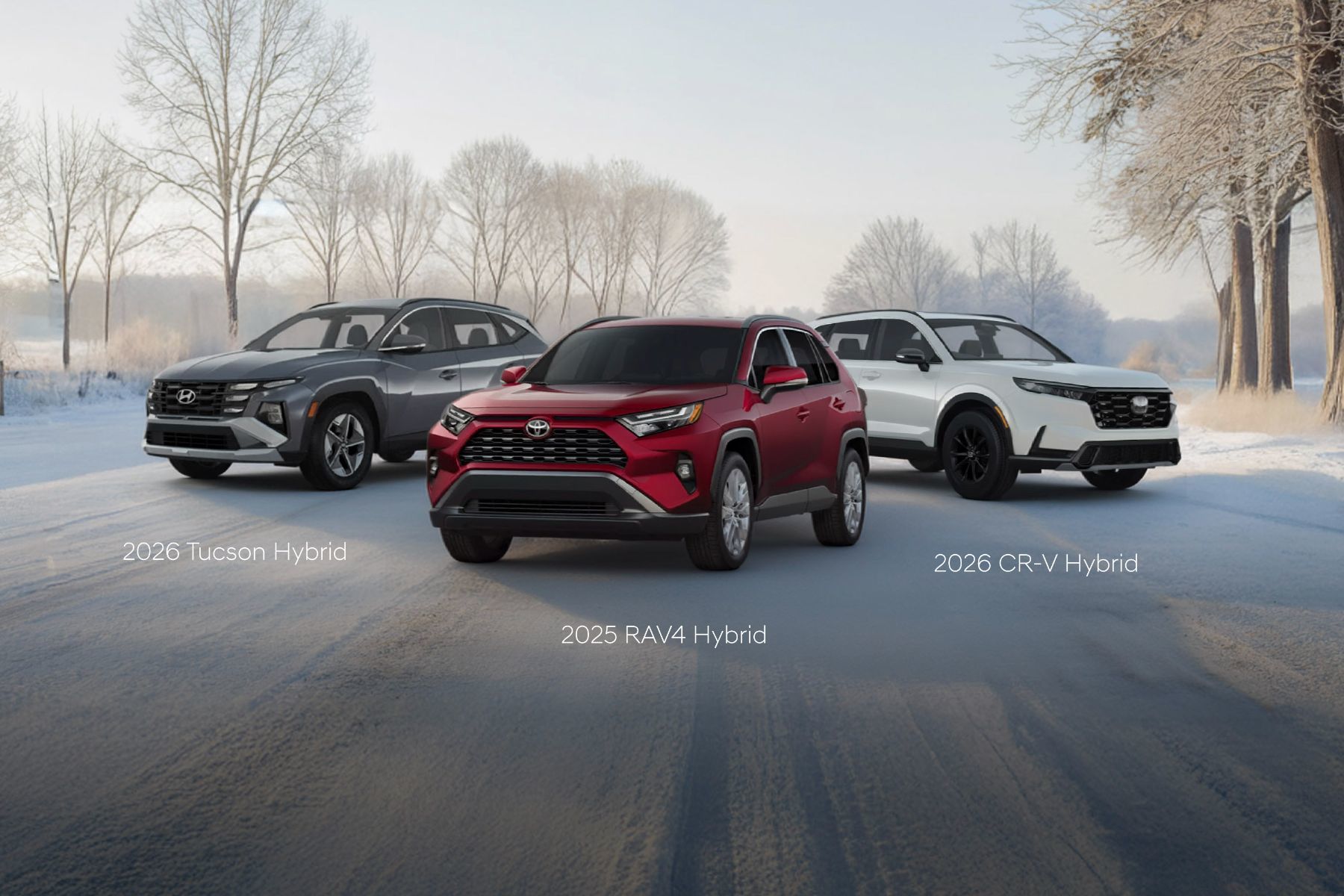
This comparison looks at three popular choices — the 2026 Hyundai Tucson Hybrid N-Line, 2025 Toyota RAV4 Hybrid LE, and 2026 Honda CR-V Hybrid Sport — and breaks down how their hybrid systems, AWD capability, and real-world fuel consumption stack up.
Comparison Table
|
Category
|
2026 Hyundai Tucson Hybrid N-Line
|
2025 Toyota RAV4 Hybrid LE
|
2026 Honda CR-V Hybrid Sport
|
|
AWD System
|
HTRAC AWD
|
AWD
|
AWD available add-on
|
|
Drive Modes
|
Eco, Normal, Sport, Snow + Terrain Modes
|
ECO Mode
|
Econ, Normal, Sport, Snow
|
|
Winter Features
|
Heated steering wheel, AWD modes, heated mirrors, rain-sensing wipers, remote start on key fob, wiper de-icer
|
Heated mirrors, wiper de-icer
|
Snow mode, wiper de-icer, heated steering wheel
|
|
Infotainment
|
12.3" display + Bose audio + wireless CarPlay/Android Auto + OTA updates
|
8" multimedia + wireless CarPlay/Android Auto
|
9" touchscreen + wireless CarPlay/Android Auto
|
|
Safety Highlights
|
FCA w/ Pedestrian+Cyclist+Junction Detection, Blind-Spot Collision Warning, Rear Cross-Traffic Collision Avoidance, Lane Keeping/Following Assist, Safe Exit Warning
|
Toyota Safety Sense 2.5, BSM+RCTA, PCS, Lane Tracing, 8 airbags
|
Collision Mitigation Braking, Traffic Jam Assist, Blind Spot Info, ACC, Lane Keeping, Parking Sensors
|
Hybrid Performance: How They Feel in Real Life
The Tucson Hybrid’s 1.6L turbo engine paired with a 6-speed hybrid automatic delivers a more natural shifting feel than an e-CVT. Many drivers prefer that gear-change sensation, especially when accelerating onto the 401 or climbing hills near Collingwood. With the N-Line’s tuning, the response feels confident without coming across as overly aggressive.
2025 Toyota RAV4 Hybrid LE
Toyota’s hybrid system is smooth and predictable. The 2.5L hybrid setup is known for durability, and the instant electric torque helps pull the vehicle through city traffic. But in this specific LE trim, drive modes are limited — you get ECO Mode only, which means fewer ways to tailor the drive for different conditions.
2026 Honda CR-V Hybrid Sport
Honda’s 2.0L hybrid is quiet and composed. Paired with an e-CVT, it prioritizes efficiency over sensation. For families who aren’t concerned about sporty feel, the CR-V offers an easygoing experience and a powertrain that stays calm, even in stop-and-go traffic.
AWD Control & Winter Handling
Ontario winters don’t play favourites. One morning you’re driving through a light dusting in Kitchener, and the next you’re plowing through slush on the way to Barrie. That’s why the differences in winter capability matter.
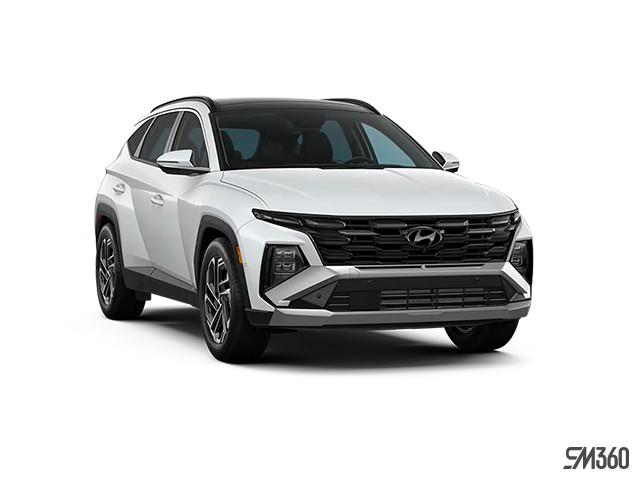
The Hyundai Tucson Hybrid N-Line brings the most complete cold-weather setup of the three. Its HTRAC all-wheel drive system offers multiple terrain settings — including Snow, Mud, and Sand — along with a full range of drive modes like Eco, Normal, Sport, and Snow. Add in a heated steering wheel, heated mirrors, rain-sensing wipers, and the convenience of remote start on the key fob, and the Tucson feels ready for those unpredictable November mornings when the weather can’t decide what season it is. It’s the SUV that adjusts to you, whether you’re inching along a snowy rural concession road or cutting through messy urban slush.
Interior Comfort & Daily Convenience
Step inside the Hyundai Tucson Hybrid N-Line, and the cabin immediately feels a bit more elevated. Heated seats in both rows, a wide 12.3-inch digital cluster, and a full panoramic sunroof give the interior a bright, modern feel. The ambient lighting can shift through dozens of colours, which adds a fun, personal touch on evening drives. Families also tend to appreciate the smart power liftgate and the premium Bose audio system — two features that make day-to-day life a little smoother, whether you’re loading hockey gear or keeping everyone entertained on the way to Toronto.
The Toyota RAV4 Hybrid LE takes a more straightforward approach. You still get heated seats and durable premium fabric upholstery, but the driver’s seat adjustments are basic, and the smaller 7-inch display keeps the tech experience simple. It’s a cabin that focuses on practicality over extras. Some parents actually like that; fewer buttons and screens can mean fewer distractions when everyone’s trying to get out the door.
The Honda CR-V Hybrid Sport sits nicely between the two. Its heated seats, 8-way power driver seat with lumbar support, sunroof, and clean LED interior lighting create an environment that feels comfortable and subtly upscale. It doesn’t go as far into the premium space as the Tucson, but it offers more refinement than the RAV4, making it a solid middle-ground choice for commuters and families who want comfort without added complexity.
Safety & Driver Assistance
All three SUVs offer strong safety suites.
The Toyota RAV4 Hybrid LE brings a proven and familiar setup. Toyota Safety Sense, blind-spot monitoring, rear cross-traffic alerts, pre-collision protection, and lane-tracing assistance create a dependable package many families already trust.
The Honda CR-V Hybrid Sport focuses on smooth, confident driving with collision mitigation, traffic-jam assistance, blind-spot information, parking sensors, and adaptive cruise control.
The Hyundai Tucson Hybrid N-Line stands out with advanced detection features. It includes tools that can identify pedestrians, cyclists, and vehicles during tricky turns, plus helpful systems like blind-spot alerts, rear cross-traffic avoidance, lane-following support, and warnings that prevent unsafe exits. It’s especially reassuring in school zones, parking lots, and busy intersections.
Which Hybrid SUV Fits Your Needs? — Key Takeaways
If your daily life includes messy winter driving, lots of passengers, or tech-heavy expectations, the Hyundai Tucson Hybrid N-Line stands out with the best combination of AWD control, interior comfort, and modern features.
If your top priority is fuel efficiency, the Toyota RAV4 Hybrid LE still leads the group on paper, perfect for long commutes and predictable driving.
If you want a balanced hybrid that feels refined, the Honda CR-V Hybrid Sport offers comfort, strong safety tech, and a relaxed drive.
Families often find themselves drawn to the Tucson once they experience the cabin and winter features in person.
FAQ
Which hybrid SUV has the best winter capability?
The Hyundai Tucson Hybrid N-Line has the most winter-focused tools, including multi-terrain AWD modes, heated steering wheel, and rain-sensing wipers.
Which model has the most advanced safety tech?
All are strong, but Hyundai includes a wider range of detection systems, including cyclist and junction-turn detection.
Which SUV is best for families?
For comfort, quietness, and cabin space, the Honda CR-V Hybrid Sport and Hyundai Tucson Hybrid N-Line stand out. The Tucson adds more technology.
Conclusion
Choosing the right hybrid SUV depends on how you drive in Ontario. After comparing these trims closely, the 2026 Hyundai Tucson Hybrid N-Line stands out for families and commuters who want a feature-rich cabin, winter-ready AWD tools, and a driving feel that’s both smooth and engaging. It doesn’t win the fuel economy battle, but its blend of comfort, technology, and all-season confidence gives it an edge for many real-world drivers.
For shoppers who value simplicity and top-tier efficiency, the Toyota RAV4 Hybrid LE remains a dependable choice. Meanwhile, the Honda CR-V Hybrid Sport continues to be a favourite for drivers who want a quiet, comfortable, and balanced hybrid experience.
You might be interested in these blogs: